
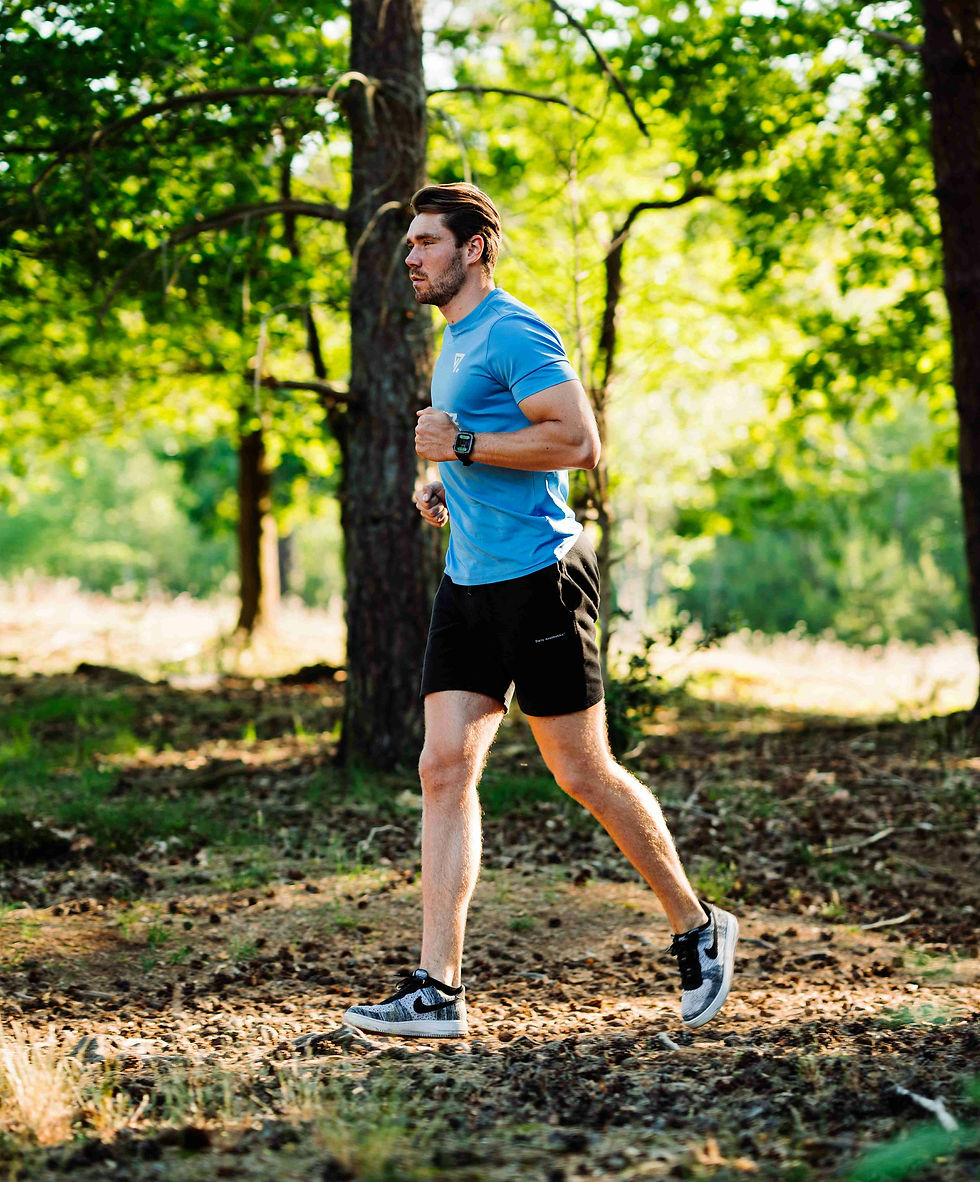
Gait Abnormalities
Gait abnormalities refer to changes in walking mechanics, running form, weight transfer, stride pattern, or how the body absorbs impact through the feet, ankles, knees, hips, pelvis, and spine. When gait mechanics are uneven, certain joints and tissues may absorb more strain, contributing to ankle pain, knee pain, hip pain, lower back discomfort, balance issues, or recurring injuries. Manual therapy and physiotherapy may help assess movement patterns, improve joint mobility, restore strength, and support more efficient walking or running mechanics.
Gait Abnormalities at a glance
✓ Walking Feels Off
A limp, uneven step, or poor push-off can affect the whole body.
✓ Compensation Travels Up
Feet, ankles, knees, hips, and low back all respond to gait changes.
✓ Walk With Better Control
We assess strength, balance, mobility, and movement timing.
What Are Gait Abnormalities?
Gait abnormalities refer to changes in how a person walks, runs, transfers weight, absorbs impact, and coordinates movement through the body. Walking may seem simple, but it requires coordination between the feet, ankles, knees, hips, pelvis, spine, ribs, shoulders, head, and neck.
During every step, force travels from the ground up through the body. The foot contacts the ground, the ankle adapts, the knee absorbs load, the hip stabilizes, the pelvis transfers force, and the spine coordinates movement above. When this chain is functioning well, load is distributed more efficiently. When one area is restricted, weak, unstable, or compensating, the entire gait pattern may change.
Improper gait mechanics can affect how joints such as the ankle, knee, and hip endure load during impact from walking, running, jumping, or sport. If the angle of force travelling up the chain is altered, the cartilage, ligaments, tendons, muscles, and joint surfaces may have to work harder to absorb stress. Over time, this may contribute to pain, stiffness, overuse injuries, or recurring strain.
Gait abnormalities may begin after an injury, surgery, ankle sprain, knee pain, hip restriction, foot mechanics issue, lower back pain, or neurological condition. In some cases, compensation patterns may travel upward through the pelvis, spine, ribs, shoulders, and even into the neck.
Individuals May Experience
Uneven walking pattern
Limping or favoring one side
One foot turning in or out more than the other
Hip, knee, ankle, or foot discomfort
Lower back tension during walking or standing
Pelvic tightness or imbalance
Fatigue with prolonged standing or walking
Reduced balance or coordination
Recurring ankle sprains or lower limb injuries
Knee pain during stairs, walking, or running
Hip tightness after walking or exercise
Pain that appears on one side of the body more often
Uneven shoe wear
Difficulty running efficiently
Discomfort during sports involving cutting, jumping, or changing direction
Neck, shoulder, or upper back tension linked to altered posture or compensation
What Contributes to Gait Abnormalities?
Several factors may influence walking or running mechanics, including:
Previous injuries
Ankle sprains or foot injuries
Joint restrictions in the hips, knees, ankles, or feet
Pelvic imbalance or reduced pelvic mobility
Muscle weakness or imbalance
Reduced hip, glute, calf, or core strength
Foot mechanics, including flat feet or high arches
Limited ankle mobility
Compensation from pain
Previous surgery or incomplete rehabilitation
Balance or coordination deficits
Poor running mechanics
Repetitive sport or work demands
Leg length differences or perceived asymmetry
Lower back, sacroiliac, or hip restrictions
These factors may affect how the body distributes load during movement. For example, limited ankle mobility may change how the knee tracks during walking or running. Poor hip control may increase strain through the knee. Pelvic restriction may alter stride length. Lower back stiffness may change how the body rotates during gait.
When one joint does not absorb or transfer force efficiently, another area often compensates. These compensations can move up the chain from the foot and ankle to the knee, hip, pelvis, lower back, upper back, shoulders, and neck. This is why a gait issue may not always cause pain where the original problem began.
How Manual Therapy May Help
Manual therapy and rehabilitation may help identify the mechanical factors contributing to an altered gait pattern. Care may focus on improving joint mobility, reducing compensatory tension, restoring strength, and helping the body absorb and transfer load more efficiently during walking, running, or sport.
The goal is not simply to “walk straighter.” The goal is to improve how the body coordinates movement, distributes force, and reduces unnecessary stress on joints and soft tissues.
Osteopathic Manual Therapy
Osteopathic Manual Therapy may focus on how the entire body moves during walking and weight transfer. Since gait involves coordination from the feet to the head, osteopathic care may assess the ankles, knees, hips, pelvis, spine, ribs, shoulders, and neck to identify where movement is restricted or compensation is occurring.
Osteopathic treatment may include:
Assessing pelvic and spinal movement
Improving hip, knee, ankle, and foot joint mobility
Addressing sacroiliac joint and pelvic mechanics
Reducing compensatory tension through the lower back, hips, and legs
Improving rib and thoracic mobility when upper body compensation is present
Supporting more balanced weight transfer
Addressing fascial restrictions through the lower limb and pelvis
Improving whole-body coordination during walking mechanics
Osteopathic care may help reduce mechanical strain by improving how different regions of the body share load during movement.
Physiotherapy
Physiotherapy may help improve strength, balance, coordination, and walking or running mechanics. This is especially important when gait abnormalities are linked to weakness, injury recovery, poor motor control, instability, or return-to-sport needs.
Physiotherapy may include:
Gait assessment and walking analysis
Running mechanics assessment when appropriate
Gait retraining
Strengthening exercises for the hips, glutes, calves, feet, and core
Balance and coordination training
Functional movement training
Ankle, knee, and hip stability exercises
Step, squat, lunge, and single-leg control training
Return-to-running progression
Sport-specific movement retraining
Education on footwear, pacing, and load management
Physiotherapy helps rebuild the strength and control needed to support more efficient walking, running, and athletic movement.
Book an Assessment
If walking, running, standing, or sport feels uneven or causes discomfort, our team can assess your gait mechanics and identify contributing movement factors.
A comprehensive assessment can help determine whether symptoms are related to foot mechanics, ankle mobility, knee control, hip strength, pelvic movement, spinal restriction, balance, coordination, or compensation patterns travelling through the body.
Related Concerns
Name of Condition