
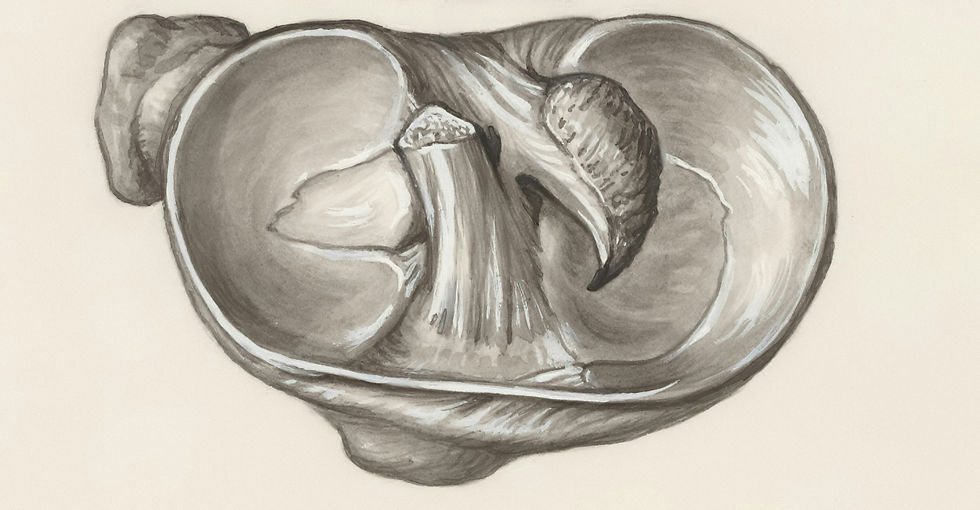
Meniscus Injury
A meniscus injury or meniscus tear can cause knee pain, swelling, clicking, catching, locking, stiffness, reduced range of motion, and difficulty squatting, kneeling, twisting, walking, climbing stairs, or returning to sport. Physiotherapy may help improve knee mobility, quadriceps and hamstring strength, balance, stability, and movement control to support the integrity of the knee during daily activities and physical activity.
Meniscus Injury at a glance
✓ Knee Feels Limited
Squatting, stairs, twisting, kneeling, or bending may feel restricted.
✓ Control Reduces Stress
Hip, knee, ankle, and quad control influence how the knee loads.
✓ Support Knee Function
We assess strength, swelling, mobility, and movement confidence.
What Is a Meniscus Injury?
The meniscus is a C-shaped piece of cartilage in the knee that helps absorb shock, distribute load, and support stability between the thigh bone and shin bone. Each knee has two menisci: the medial meniscus on the inside of the knee and the lateral meniscus on the outside of the knee.
A meniscus injury can occur when the knee twists, pivots, bends deeply, or absorbs force under load. This is common in sports that involve cutting, pivoting, jumping, squatting, or sudden direction changes, such as soccer, basketball, football, hockey, tennis, pickleball, skiing, and gym training. Meniscus injuries can also develop gradually over time due to degenerative changes, repetitive stress, or age-related tissue changes.
Patients often associate terms such as meniscus tear, knee cartilage tear, knee pain when squatting, knee clicking, knee locking, knee swelling, or pain on the inside of the knee. Symptoms can vary depending on the size, location, and severity of the tear.
A confirmed diagnosis of a meniscus injury should be made by a licensed medical doctor using appropriate clinical assessment and imaging if needed. Some meniscus tears are managed conservatively with physiotherapy, while others may require surgical consultation depending on severity, locking symptoms, tear type, joint mechanics, age, activity goals, and overall knee function.
Individuals May Experience
Knee pain during bending or twisting
Pain on the inside or outside of the knee
Clicking, catching, or locking sensations in the knee
Swelling around the joint
Difficulty squatting or kneeling
Reduced range of motion
Stiffness after sitting or activity
Pain with stairs or getting up from a chair
Discomfort during pivoting or changing direction
Difficulty walking normally during flare-ups
A feeling that the knee is stuck or blocked
Weakness or instability around the knee
Reduced confidence during sport, work, or exercise
Pain that worsens after deep knee bending or loaded activity
Mechanical locking, inability to fully straighten the knee, significant swelling, major trauma, or severe instability should be assessed by a medical professional.
What Contributes to a Meniscus Injury?
Several factors may contribute to a meniscus injury or meniscus tear, including:
Twisting or pivoting movements
Deep squatting under load
Sudden changes in direction
Landing awkwardly from a jump
Degenerative changes over time
Weakness in supporting muscles
Poor hip, knee, or ankle mechanics
Reduced quadriceps or hamstring strength
Poor single-leg control
Limited knee, hip, or ankle mobility
Previous knee injuries
Returning to sport or activity too quickly
Repetitive kneeling, squatting, or loaded bending
These factors may increase stress on the knee joint during activity. The meniscus helps distribute force across the knee. When strength, alignment, or movement control is reduced, more strain may be placed through the cartilage and surrounding joint structures.
For example, weak quadriceps may reduce control during stairs and squats. Poor hip stability may allow the knee to collapse inward during cutting or landing. Limited ankle or hip mobility may force the knee to absorb more twisting stress. Over time, these mechanics can affect the way the knee handles load.
Why Physiotherapy Is Important for Knee Integrity
Physiotherapy is important because the meniscus plays a major role in how the knee absorbs load during daily life. Walking, stairs, standing from a chair, kneeling, squatting, lifting, exercise, and sport all require the knee to tolerate force repeatedly.
After a meniscus injury, the body may protect the knee by changing how it moves. You may avoid bending, shift weight to the opposite side, walk with a limp, reduce pressure through the injured leg, or avoid using the quadriceps fully. These compensations may help temporarily, but over time they can create weakness, stiffness, poor balance, and extra strain on the hip, ankle, or lower back.
Physiotherapy helps maintain the integrity of the knee by improving the muscles and movement patterns that support the joint. Strong quadriceps, hamstrings, glutes, calves, and hip stabilizers help control how force moves through the knee. Better strength and control may reduce unnecessary strain through the meniscus and improve tolerance for daily activity.
For some meniscus tears, surgery may be considered depending on severity and symptoms. However, whether the plan is conservative management or post-surgical rehabilitation, physiotherapy is often an important part of restoring knee function, rebuilding strength, and improving long-term movement quality.
How Physiotherapy May Help
Physiotherapy focuses on improving knee function, reducing strain on the joint, and restoring confidence with movement. Treatment is based on the type of symptoms present, activity goals, severity, surgical status, and tolerance to loading.
Treatment may include:
Strengthening of the quadriceps and hamstrings
Glute and hip strengthening to improve knee control
Mobility exercises for the knee
Range of motion restoration
Swelling and load management strategies
Movement retraining during daily activities
Balance and stability training
Gait retraining for walking mechanics
Squat, step, lunge, and stair retraining
Gradual return to activity
Return-to-running or return-to-sport progression when appropriate
Education on avoiding aggravating movements during early recovery
Post-operative rehabilitation if surgery is performed
These exercises help restore knee function and improve tolerance to movement. Early physiotherapy may focus on reducing swelling, restoring range of motion, and improving walking. Later stages may focus on strengthening, balance, functional control, sport-specific activity, and long-term knee resilience.
The goal is not only to reduce pain. The goal is to help the knee become strong, stable, mobile, and prepared for the activities that matter to you.
Book an Assessment
If knee pain, clicking, swelling, stiffness, or difficulty bending is affecting your walking, stairs, squatting, kneeling, work, exercise, or sport, our physiotherapy team can assess your knee function and guide a personalized rehabilitation plan.
A comprehensive assessment can help identify whether your symptoms may be influenced by knee mobility, quadriceps strength, hip control, swelling, balance, movement mechanics, or activity load.
Related Concerns
Name of Condition